


Nasal Obstruction
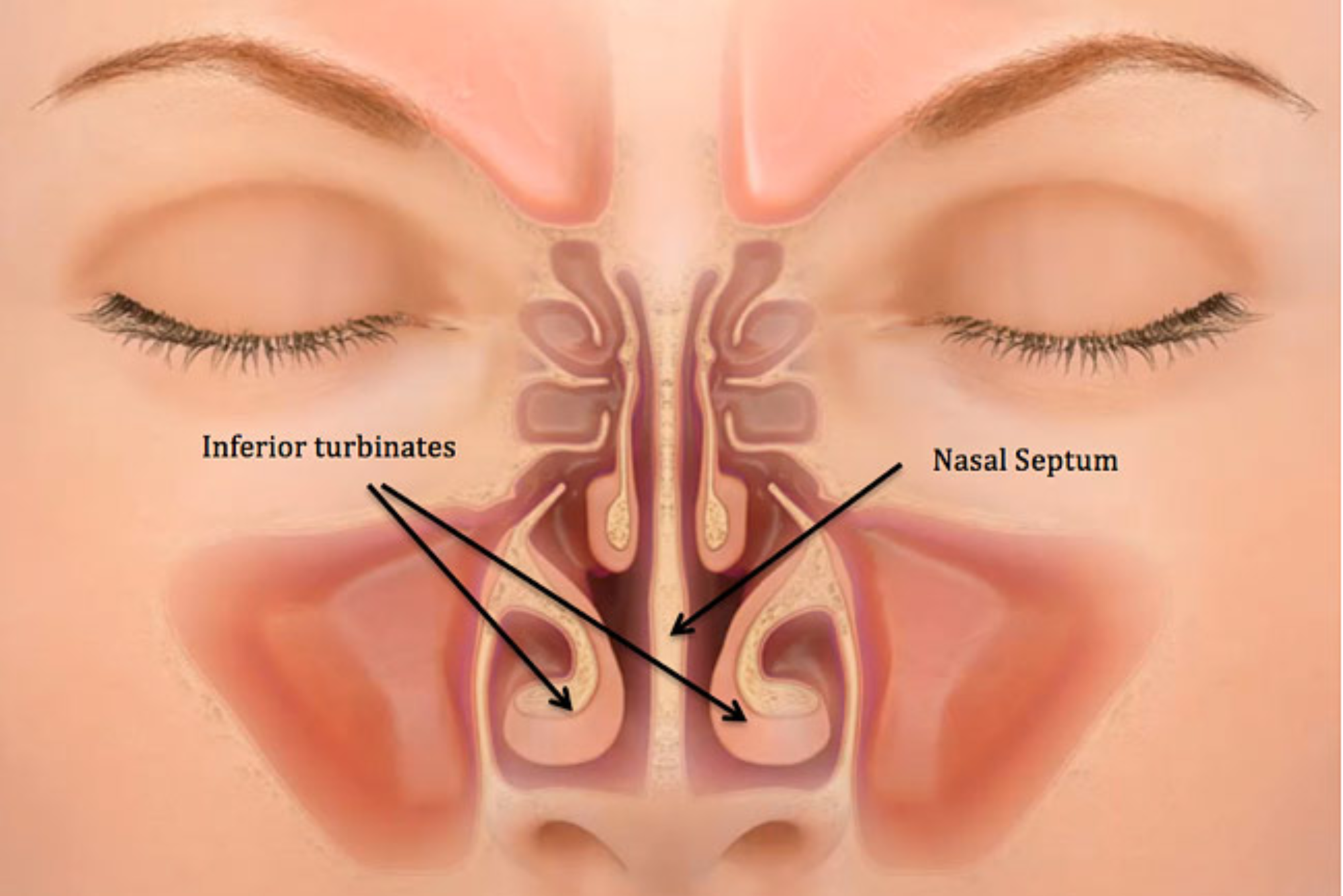
Nasal Obstruction – Difficulty breathing through one or both nostrils due to swelling, allergies, infections, or a deviated nasal septum. It can cause congestion, snoring, mouth breathing, and disturbed sleep. Persistent blockage may lead to sinus infections or reduced oxygen intake. Treatment includes nasal sprays, medications, or corrective procedures to restore smooth airflow.

Nasal Polyps
Nasal Polyps – Soft, painless, noncancerous growths that form inside the nasal passages or sinuses due to chronic inflammation. They can cause nasal blockage, reduced sense of smell, frequent congestion, and postnasal drip. Often linked to allergies, asthma, or sinus infections, nasal polyps can be managed with medications or minor surgical procedures to improve breathing and prevent recurrence.

Allergic Rhinitis
Allergic Rhinitis – Inflammation of the nasal passages caused by an allergic reaction to pollen, dust, pet dander, or other allergens. It leads to sneezing, nasal congestion, runny nose, itching, and watery eyes. Though not life-threatening, it can affect daily comfort and sleep. Treatment includes avoiding triggers, using antihistamines or nasal sprays, and managing environmental allergens.

Nose Bleed (Epistaxis)
Nose Bleed (Epistaxis) – Bleeding from the nasal passages, which can occur suddenly and may range from light to heavy. Common causes include dry air, nose picking, trauma, infections, allergies, or high blood pressure. Recurrent or severe nosebleeds can signal underlying health issues that need medical evaluation. Immediate care involves gentle pressure, proper nasal care, and, if needed, medical treatment to control bleeding and prevent complications.
Nasal Bone Fractures
Nasal Bone Fractures – Breaks or cracks in the nasal bones, usually caused by trauma such as falls, sports injuries, or accidents. Symptoms include pain, swelling, bruising, difficulty breathing, and visible deformity of the nose. Prompt medical evaluation is important to realign the bones, reduce swelling, and prevent long-term breathing problems or cosmetic issues. Treatment may involve realignment, splints, or surgery depending on severity.

Loss of Smell (Anosmia or Hyposmia)
Loss of Smell (Anosmia or Hyposmia) – A decreased or complete inability to detect odors, which may result from sinus infections, nasal polyps, allergies, viral infections, or nerve-related problems. It can affect taste, appetite, and overall quality of life. In some cases, loss of smell may signal underlying neurological conditions. Early evaluation and treatment, including medications, nasal therapies, or surgery, can help restore olfactory function and improve daily living.
Sleep Apnea
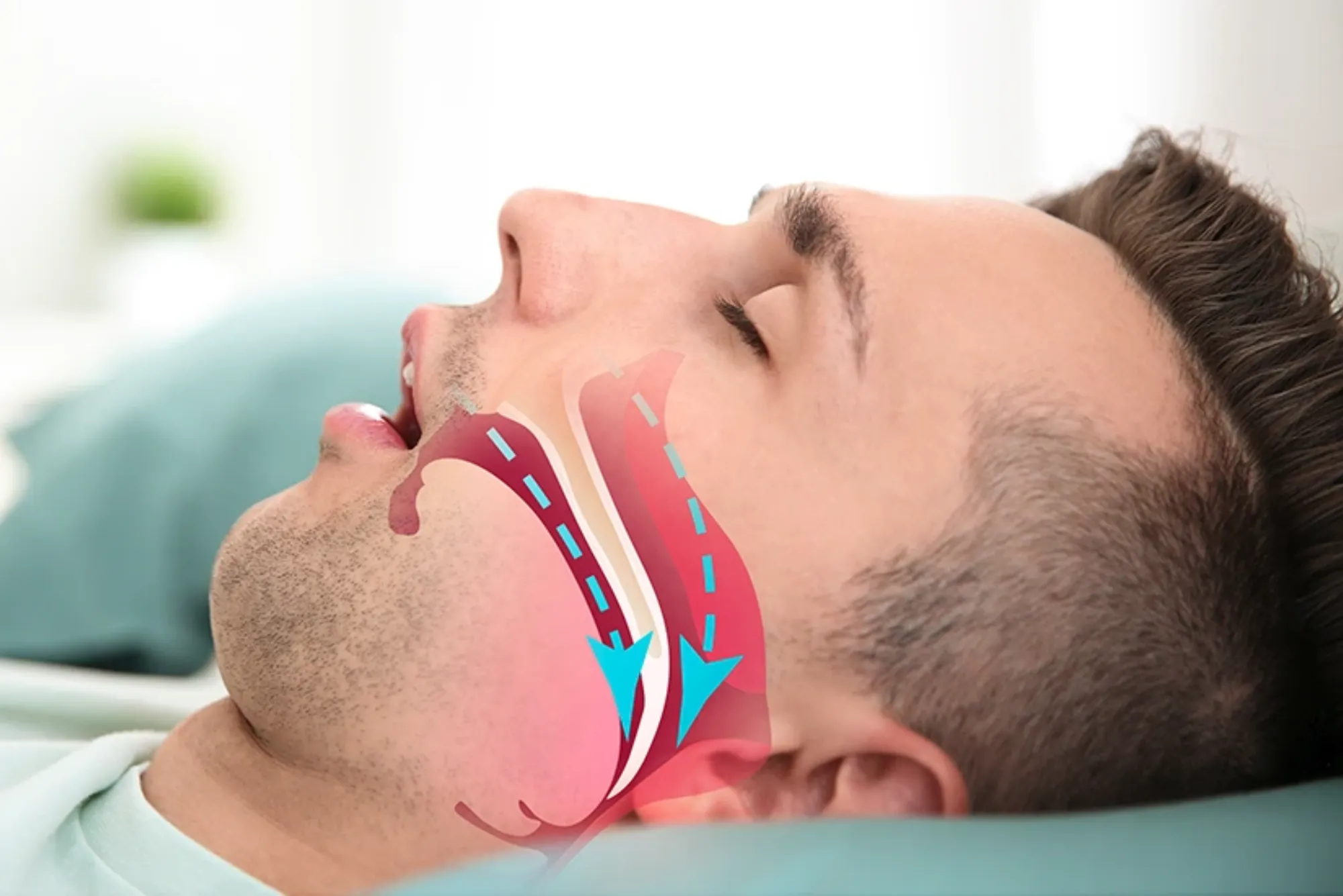
Sleep Apnea – A sleep disorder where breathing repeatedly stops and starts during sleep, often caused by nasal obstruction, enlarged tonsils, or obesity. It can lead to loud snoring, restless sleep, daytime fatigue, and increased risk of heart problems. Diagnosis through sleep studies allows targeted treatment, which may include lifestyle changes, CPAP therapy, or surgical interventions to improve breathing and sleep quality.

Sinus Headache
Sinus headaches are often caused by inflammation or infection in the sinus cavities, leading to facial pain, pressure, and congestion. Sameera ENT provides expert evaluation and treatment using modern diagnostic tools to relieve discomfort and address the underlying cause safely and effectively.